Почему тренировка на симуляторе экономит ваши деньги и время
Добавить время:2025-11-28
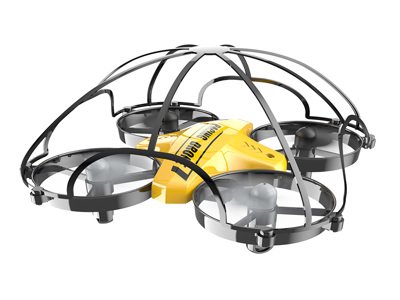
В современном быстро меняющемся мире эффективность и экономия ресурсов становятся ключевыми приоритетами во многих сферах жизни, включая образование, профессиональное обучение и личное развитие. Тренировка на симуляторах предлагает инновационный подход, который не только улучшает навыки, но и значительно сокращает затраты и временные инвестиции. Эта статья подробно исследует, почему использование симуляторов является выгодным решением, анализируя различные аспекты, от финансовой экономии до повышения производительности. Мы рассмотрим примеры из авиации, медицины, вождения и других областей, подчеркивая, как виртуальные среды могут заменить или дополнить традиционные методы обучения. К концу этого обсуждения вы убедитесь, что симуляторы – это не просто технологическая игрушка, а мощный инструмент для оптимизации вашего времени и бюджета.
Введение в тему: что такое симуляторы и почему они важны
Симуляторы – это устройства или программные системы, которые имитируют реальные процессы или среды, позволяя пользователям практиковаться в безопасных и контролируемых условиях. Они существуют уже несколько десятилетий, но с развитием технологий, таких как виртуальная реальность (VR) и искусственный интеллект (AI), их возможности значительно расширились. Изначально симуляторы использовались в основном в авиации для тренировки пилотов, где ошибки могли привести к катастрофическим последствиям. Сегодня они применяются в медицине для хирургических тренировок, в automotive индустрии для обучения вождению, в образовании для симуляции научных экспериментов, и даже в развлечениях для игр. Важность симуляторов заключается в их способности предоставлять реалистичный опыт без рисков, связанных с реальным миром. Это не только безопасно, но и экономически выгодно, так как reduces необходимость в дорогостоящем оборудовании или ресурсах. Например, вместо того чтобы использовать настоящий самолет для тренировки, пилот может отработать maneuvers на симуляторе, что saves топливо, техническое обслуживание и время. Аналогично, в медицине, студенты-хирурги могут практиковать операции на виртуальных пациентах, избегая ошибок на реальных людях. Таким образом, симуляторы становятся незаменимым инструментом в современном обучении, offering баланс между практикой и экономией.
Экономия денег: как симуляторы снижают финансовые затраты
Одним из наиболее очевидных преимуществ тренировки на симуляторах является значительная экономия денег. В традиционных методах обучения часто involved высокие затраты на оборудование, материалы, инфраструктуру и человеческие ресурсы. Например, в авиационной индустрии, час полета на реальном самолете может стоить тысячи долларов due to топливо, износ aircraft, и зарплата инструктора. Симуляторы позволяют сократить эти расходы до минимума. Исследования показывают, что использование flight simulators может reduce операционные costs на 50-70%. Это связано с тем, что симуляторы require только первоначальные инвестиции в hardware и software, а затем operational costs относительно низки – mainly электричество и occasional обновления. Более того, симуляторы могут used repeatedly без additional расходов, unlike реальные scenarios, где каждый session involves consumables like топливо или медицинские supplies. В медицине, например, training на surgical simulators avoids необходимость в дорогостоящих cadavers или животные models, которые can cost тысячи dollars per session. Additionally, симуляторы reduce costs, связанные с errors: в реальном мире mistakes can lead to дорогостоящим repairs, legal issues, или even loss of life, whereas в симуляторе errors are бесплатны и educational. Companies и educational institutions могут also save на travel и accommodation costs, так как симуляторы can be accessed remotely. For instance, вместо sending employees на off-site training, organizations can invest в local simulators, что reduces transportation и lodging expenses. В долгосрочной перспективе, ROI (return on investment) от симуляторов often превышает traditional methods, making them smart financial decision. Это особенно важно в sectors с tight budgets, таких как образование или startups, где every dollar counts. By adopting simulators, businesses can allocate resources more efficiently, investing saved money в другие areas like research или development.
Экономия времени: ускорение обучения через эффективную практику
Время – это有限ченный ресурс, и симуляторы excel в его оптимизации. Traditional training methods often involve lengthy processes, such as scheduling real-world sessions, traveling to locations, or waiting for equipment availability. Simulators eliminate these delays by providing on-demand access to practice environments. For example, in aviation, a pilot can log hours in a simulator at any time, without being dependent on weather conditions or aircraft availability. This flexibility allows for more frequent and intensive practice, which accelerates skill acquisition. Studies have shown that simulator-based training can reduce the time required to achieve proficiency by up to 30-40% compared to traditional methods. This is because simulators offer focused, repetitive practice without distractions, enabling learners to master complex tasks faster. In medicine, surgical residents can practice procedures multiple times in a simulator before performing on real patients, reducing the learning curve and minimizing the time spent in supervised operations. Additionally, simulators often include features like instant feedback and performance analytics, which help identify areas for improvement quickly, further saving time. For instance, in driving simulators, learners can receive real-time corrections on their technique, avoiding bad habits that might take longer to unlearn in real driving. The ability to simulate rare or dangerous scenarios also saves time by allowing practice without the need to wait for such events to occur naturally. In corporate training, employees can complete modules on simulators at their own pace, reducing downtime and increasing productivity. Overall, the time saved through simulator training translates to faster certification, earlier deployment of skills, and increased overall efficiency, making it a valuable tool in time-sensitive industries.
Безопасность: снижение рисков и повышение confidence
Безопасность является critical аспектом любого обучения, и симуляторы excel в предоставлении risk-free среды для practice. В реальном мире, ошибки во время training can have severe consequences, such as accidents, injuries, or financial losses. Simulators mitigate these risks by allowing learners to make mistakes without real-world repercussions. For example, in aviation, pilots can practice emergency procedures like engine failures or adverse weather conditions in a simulator, where any error simply results in a reset rather than a disaster. This not only protects lives and equipment but also builds confidence in learners, as they can experiment and learn from failures without fear. In medicine, surgical simulators enable trainees to perform complex operations without risking patient safety, leading to better-prepared professionals and reduced malpractice rates. The psychological benefit of this safe environment is immense; learners are more willing to take risks and push their limits, which accelerates learning and innovation. Additionally, simulators can simulate extreme or rare events that are difficult or dangerous to recreate in reality, such as natural disasters or equipment malfunctions, providing valuable experience that would otherwise be unavailable. This proactive approach to safety training helps prevent accidents before they happen, saving costs associated with insurance, lawsuits, and repairs. In industries like construction or manufacturing, simulators for heavy machinery operation reduce the likelihood of workplace injuries by ensuring operators are thoroughly trained before handling real equipment. Overall, the safety advantages of simulators contribute to both economic savings (by avoiding costs from accidents) and time savings (by reducing the need for extensive supervision and error correction), making them an essential component of modern training programs.
Повышение эффективности: лучшие результаты через immersion и feedback
Симуляторы не только экономят resources, но и enhance the quality of training through immersive experiences and detailed feedback. Modern simulators use advanced technologies like VR and AI to create highly realistic environments that engage multiple senses, leading to better retention and application of skills. This immersion helps learners develop muscle memory and situational awareness more effectively than theoretical study or limited practical sessions. For instance, in flight simulators, the cockpit replication and motion systems provide a feel that closely mimics real flying, improving pilot reactions and decision-making under pressure. The feedback mechanisms in simulators are another key advantage; they provide instant data on performance, such as error rates, reaction times, and efficiency metrics. This allows for targeted improvements and personalized learning paths. In educational settings, science simulators let students conduct experiments that would be too costly or dangerous in a lab, while receiving immediate analysis of their results. This leads to a deeper understanding of concepts in less time. Moreover, simulators can be programmed to adapt to the learner's skill level, offering challenges that are neither too easy nor too hard, which optimizes the learning process. This adaptive learning approach reduces frustration and boredom, keeping learners motivated and engaged. In corporate training, simulators for soft skills like public speaking or negotiation provide a safe space to practice and receive feedback, leading to faster skill development. The efficiency gains from simulators mean that organizations can achieve higher competency levels with fewer resources, ultimately saving money and time while improving outcomes. This makes simulators not just a cost-cutting tool, but a value-adding investment in human capital.
Практические примеры: успешные кейсы из различных отраслей
Чтобы illustrate the benefits of simulator training, let's explore real-world examples across different industries. In aviation, companies like Boeing and Airbus have long used flight simulators for pilot training, reporting savings of millions of dollars annually on fuel and maintenance, while reducing training time by up to 50%. For instance, the FAA (Federal Aviation Administration) requires pilots to log simulator hours for certification, recognizing its efficiency. In medicine, institutions like the Mayo Clinic use surgical simulators to train residents, resulting in a 40% reduction in operative time and improved patient outcomes. A study showed that surgeons who trained on simulators had 29% fewer errors during real operations. In the automotive industry, driving simulators are used by companies like Tesla for employee training, cutting down on accident rates and insurance costs. For example, a trucking company reported a 20% decrease in collisions after implementing simulator-based training. In education, schools use science simulators for virtual labs, allowing students to perform experiments without expensive equipment, which has been shown to improve test scores by 15-20%. In the military, simulators for combat training save lives and resources by preparing soldiers for scenarios without real ammunition or risk. Even in sports, athletes use simulators to practice strategies and techniques, enhancing performance without physical strain. These examples demonstrate that simulators are versatile and effective across fields, providing tangible savings in money and time while elevating skill levels. By learning from these successes, more organizations can adopt simulators to stay competitive and efficient.
Технологические advancements: будущее симуляторов и их потенциал
Будущее симуляторов looks promising благодаря continuous technological innovations. Улучшения в VR, AR (augmented reality), AI, и haptic feedback делают симуляторы даже more realistic и accessible. Например, AI-powered simulators can now provide personalized coaching, analyzing learner data to offer tailored advice and predict future performance. This reduces the need for human instructors, further saving costs and time. VR headsets are becoming more affordable, allowing smaller organizations to implement simulator training without massive investments. In the coming years, we can expect simulators to become integrated with IoT (Internet of Things) for real-time data exchange, enhancing realism. For instance, medical simulators might connect to actual patient data for more accurate practice. Additionally, cloud-based simulators enable remote access, making training available globally without geographical constraints, which is especially valuable in post-pandemic times. These advancements will continue to drive down costs and increase efficiency. However, challenges remain, such as the initial high cost of advanced simulators and the need for technical expertise. But as technology evolves, prices are likely to decrease, making simulators more mainstream. The potential for simulators to revolutionize education and training is immense; they could eventually replace many traditional methods, leading to a world where learning is safer, cheaper, and faster. By staying updated on these trends, individuals and organizations can leverage simulators to maximize their savings and productivity.
Заключение: почему стоит инвестировать в симуляторы
В заключение, тренировка на симуляторах offers compelling advantages in saving money and time across various domains. By reducing financial costs through lower operational expenses, minimizing risks, and eliminating the need for expensive resources, simulators provide a high return on investment. They save time by enabling flexible, intensive practice and accelerating skill acquisition through immersive feedback. The safety benefits ensure that learning occurs without real-world consequences, fostering confidence and competence. As technology advances, simulators will only become more effective and accessible, making them a wise choice for anyone looking to optimize their training processes. Whether you are a student, professional, or business leader, incorporating simulators into your routine can lead to significant efficiencies and improved outcomes. I encourage readers to explore simulator options in their fields and consider the long-term benefits. Start small if needed, but remember that the initial investment often pays off manifold in saved resources and enhanced capabilities. Embrace the future of training with simulators, and watch your productivity soar while your costs plummet.
Эта статья предоставила comprehensive overview, но remember to consult experts for specific advice tailored to your situation. Симуляторы – это tool, и их effectiveness depends on proper implementation. Happy training!
