дроны контроллеры меняют будущее авиации и технологий
Добавить время:2025-12-12
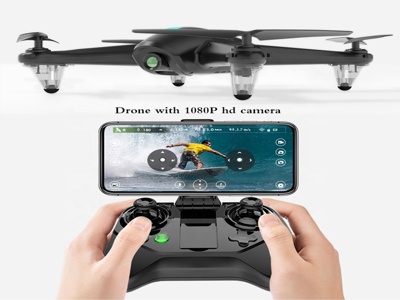
Введение в мир дронов и контроллеров открывает новые горизонты для авиации и технологий. Эти устройства, некогда считавшиеся игрушками или военными инструментами, теперь проникают во все сферы жизни, от сельского хозяйства до логистики, и обещают революционизировать наше будущее. В этой статье мы глубоко исследуем, как дроны и их системы управления не только меняют авиацию, но и становятся катализатором технологического прогресса, обсуждая их историю, современные применения, вызовы и безграничные возможности.
Исторический контекст: от простых игрушек к сложным системам
История дронов начинается с ранних экспериментов в авиации. Первые беспилотные летательные аппараты (БПЛА) появились в начале XX века, используемые преимущественно в военных целях для разведки и тренировок. Однако настоящий прорыв произошел с развитием микроэлектроники и компьютерных технологий в 1980-х и 1990-х годах. Контроллеры, изначально простые пульты дистанционного управления, эволюционировали в sophisticated системы с искусственным интеллектом и автоматизацией. Сегодня дроны оснащены GPS, камерами высокого разрешения, датчиками и способны autonomously выполнять сложные задачи, что делает их indispensable в modern мире.
Технологические инновации в дронах и контроллерах
Современные дроны — это не просто летающие машины; они represent convergence множества технологий. Контроллеры, whether handheld или software-based, используют advanced algorithms для стабилизации полета, навигации и обработки данных. Например, machine learning позволяет дронам адаптироваться к changing условиям, while IoT (Интернет вещей) обеспечивает seamless connectivity. Battery технологии, такие как литий-полимерные аккумуляторы, extended flight times, а материалы like carbon fiber reduce weight and increase durability. These innovations not only enhance performance but also open doors to new applications, from delivery services to environmental monitoring.
Применение в авиации: революция в небе
В авиации дроны уже transform traditional practices. Они используются для инспекции infrastructure, such as bridges and power lines, reducing risks for human workers. In cargo transport, companies like Amazon experiment with drone delivery, promising faster and cheaper logistics. Military aviation benefits from stealth and surveillance capabilities, while civilian aviation explores passenger drones for urban air mobility. Контроллеры enable precise control, making these applications feasible and safe. This shift not only improves efficiency but also paves the way for a future where autonomous flight becomes commonplace.
Влияние на другие отрасли: beyond авиация
Дроны выходят за пределы авиации, impacting sectors like agriculture, where they monitor crops and apply pesticides with precision, boosting yields and sustainability. In filmmaking and photography, drones provide aerial shots that were once impossible or expensive. Emergency services use them for search and rescue operations, accessing hard-to-reach areas. Healthcare explores drone delivery of medical supplies to remote regions. These cross-industry applications demonstrate how drone controllers are not just changing aviation but are integral to technological advancement across the board.
Вызовы и этические considerations
Несмотря на потенциал, widespread adoption of drones faces challenges. Privacy concerns arise from surveillance capabilities, requiring strict regulations. Safety issues, such as mid-air collisions or hacking of controllers, demand robust security measures. Ethical dilemmas include job displacement in industries like delivery and the potential for misuse in warfare. Additionally, regulatory frameworks are still evolving, with countries implementing different rules for drone operations. Addressing these challenges through innovation and policy is crucial to harness the full benefits of drone technology.
Будущие перспективы: что ждет впереди
Будущее дронов и контроллеров looks promising. Advancements in AI will lead to fully autonomous systems capable of complex decision-making. Swarm technology, where multiple drones cooperate, could revolutionize tasks like disaster response or large-scale mapping. Energy innovations, such as solar-powered drones, may enable perpetual flight. In aviation, we might see integration into air traffic management systems, creating a seamless sky network. As technology progresses, drones could become ubiquitous, transforming how we live, work, and interact with the world, ultimately shaping a smarter and more connected future.
Заключение: embracing the change
В заключение, дроны и их контроллеры действительно меняют будущее авиации и технологий. От military origins до civilian applications, они embody innovation and progress. While challenges remain, the potential for positive impact is immense. By investing in research, developing ethical guidelines, and fostering collaboration, we can ensure that this technology benefits humanity as a whole. The sky is no longer the limit; with drones, we are poised to unlock new possibilities and redefine the boundaries of what is possible in aviation and beyond.
