Инновационные дроны для автоматизации сельского хозяйства
Добавить время:2025-12-13
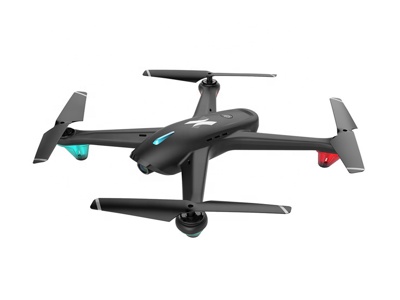
В современном мире сельское хозяйство сталкивается с множеством вызовов: рост населения, изменение климата, ограниченность ресурсов и необходимость повышения производительности. Одним из ключевых решений этих проблем становится внедрение инновационных технологий, среди которых особое место занимают дроны. Эти беспилотные летательные аппараты не только революционизируют подходы к ведению сельского хозяйства, но и открывают новые горизонты для автоматизации и оптимизации процессов. В этой статье мы подробно рассмотрим, как дроны трансформируют аграрный сектор, их основные функции, преимущества, вызовы и будущие тенденции.
Введение в тему: Почему дроны важны для сельского хозяйства
Сельское хозяйство всегда было основой человеческой цивилизации, но в XXI веке оно требует инноваций для удовлетворения растущих потребностей. По данным Продовольственной и сельскохозяйственной организации ООН (ФАО), к 2050 году мировое население достигнет 9,7 миллиардов человек, что потребует увеличения производства продовольствия на 70%. Однако традиционные методы ведения сельского хозяйства часто неэффективны, ресурсоемки и подвержены рискам, таким как засухи, вредители и болезни. Здесь на помощь приходят дроны – многофункциональные устройства, способные собирать данные, мониторить поля и даже выполнять физические задачи, такие как опрыскивание или посев.
Дроны, или беспилотные летательные аппараты (БПЛА), изначально разрабатывались для военных и разведывательных целей, но их применение быстро расширилось на гражданские секторы, включая сельское хозяйство. С помощью датчиков, камер и других технологий, дроны предоставляют фермерам точную информацию о состоянии crops, почвы и окружающей среды. Это позволяет принимать обоснованные решения, снижать затраты и повышать урожайность. Например, мультиспектральные камеры на дронах могут detect ранние признаки болезней растений, что enables своевременное вмешательство и предотвращение потерь.
Автоматизация с помощью дронов не только экономит время и труд, но и способствует устойчивому развитию. By reducing the use of pesticides and water, drones help minimize environmental impact. Moreover, they enable precision agriculture, where resources are applied only where needed, thus optimizing input and output. As we delve deeper into this topic, we will explore the various types of agricultural drones, their applications, benefits, and the challenges that need to be addressed for widespread adoption.
Типы сельскохозяйственных дронов и их особенности
Существует несколько типов дронов, используемых в сельском хозяйстве, каждый с уникальными характеристиками и назначением. Основные категории включают мультикоптеры, fixed-wing drones, и гибридные модели. Мультикоптеры, такие как квадрокоптеры или гексакоптеры, популярны благодаря своей маневренности и способности зависать на месте, что идеально для детального мониторинга небольших участков. Они оснащены камерами high-resolution, лидарами, или другими датчиками для съемки и анализа.
Fixed-wing drones, с другой стороны, designed для покрытия больших площадей с higher speed и endurance. Они resemble небольшие самолеты и can fly longer distances, making them suitable for large-scale farms. However, they require more space for takeoff and landing and are less agile than multicopters. Hybrid drones combine features of both, offering vertical takeoff and landing with efficient forward flight, thus providing versatility for various agricultural tasks.
In terms of payload, agricultural drones can be equipped with different tools. For instance, spraying drones have tanks for liquid fertilizers or pesticides, and they use nozzles to apply them precisely. Seeding drones can disperse seeds over fields, especially in hard-to-reach areas. Monitoring drones focus on data collection through sensors like NDVI (Normalized Difference Vegetation Index) cameras, thermal imagers, or multispectral sensors to assess plant health, soil moisture, and other parameters.
Technological advancements have also led to the integration of AI and machine learning in drones. AI algorithms can process the collected data in real-time, identifying patterns and making predictions. For example, a drone can automatically detect weed infestations and trigger targeted spraying, reducing chemical use by up to 90%. This level of automation not only enhances efficiency but also reduces human error and labor costs.
Применение дронов в сельском хозяйстве: От мониторинга до обработки
Одним из наиболее распространенных применений дронов является мониторинг полей. С помощью аэрофотосъемки и сенсоров, дроны создают detailed maps of fields, showing variations in crop health, soil conditions, and moisture levels. This data is crucial for precision agriculture, as it allows farmers to apply inputs like water, fertilizers, and pesticides only where necessary, rather than uniformly across the entire field. For instance, NDVI imagery can reveal areas of stress in crops before visible signs appear, enabling early intervention.
Another key application is crop spraying. Traditional methods often involve tractors or manned aircraft, which can be inefficient and harmful to the environment. Drones, however, can spray with high precision, reducing drift and overspray. This not only saves chemicals but also protects nearby ecosystems. In countries like China and Japan, drone spraying has become standard practice for rice paddies and other crops, leading to significant increases in efficiency and yield.
Seeding and planting are also being revolutionized by drones. In reforestation efforts or on uneven terrain, drones can disperse seeds quickly and evenly. Some advanced models even use pneumatic systems to plant seeds at optimal depths, improving germination rates. This is particularly useful in areas affected by natural disasters or degradation, where manual planting is challenging.
Livestock monitoring is another emerging application. Drones equipped with thermal cameras can track animals, check for injuries, or monitor grazing patterns. This helps in managing large herds more effectively and ensures animal welfare. Additionally, drones can be used for irrigation management by assessing soil moisture and identifying leakages in irrigation systems, thus conserving water resources.
The integration of IoT (Internet of Things) with drones further enhances their capabilities. For example, drones can communicate with soil sensors or weather stations to gather comprehensive data. This interconnected system enables fully automated farming operations, where drones act as the eyes and hands of the farm, working in sync with other smart devices.
Преимущества использования дронов в сельском хозяйстве
Использование дронов приносит numerous benefits to agriculture. First and foremost, they increase efficiency and productivity. By automating repetitive tasks like monitoring and spraying, drones free up human labor for more strategic activities. Studies have shown that drone-based farming can reduce time spent on field inspections by up to 50%, while improving accuracy.
Cost savings are another significant advantage.虽然 initial investment in drones can be high, the long-term reductions in input costs (e.g., fertilizers, pesticides, water) and labor costs make it economically viable. For example, targeted spraying can cut chemical usage by 30-50%, directly translating to lower expenses and reduced environmental impact.
Environmental sustainability is a critical benefit. Precision agriculture enabled by drones minimizes the ecological footprint of farming. By applying resources only where needed, it reduces runoff into water bodies and decreases greenhouse gas emissions associated with overuse of inputs. This aligns with global goals for sustainable development and climate action.
Дроны также улучшают decision-making through data-driven insights. High-resolution imagery and analytics provide farmers with actionable information, such as yield predictions, pest outbreaks, or soil health trends. This empowers them to make informed choices, mitigate risks, and maximize profits. In regions with limited access to agricultural extension services, drones can bridge the knowledge gap by delivering expert-level monitoring remotely.
Furthermore, drones enhance safety by reducing the need for humans to work in hazardous conditions, such as handling chemicals or operating heavy machinery. They can access difficult terrain without risk, making farming safer and more inclusive for all operators.
Вызовы и ограничения внедрения дронов
Despite the promising benefits, the adoption of agricultural drones faces several challenges. Regulatory issues are a major hurdle. In many countries, aviation authorities impose strict rules on drone operations, including flight altitude limits, licensing requirements, and no-fly zones. These regulations can stifle innovation and slow down deployment, especially for autonomous missions.
Cost is another barrier. High-quality agricultural drones with advanced sensors and AI capabilities can be expensive, ranging from a few thousand to tens of thousands of dollars. This makes them inaccessible for small-scale farmers in developing regions, who might benefit the most from such technology. subsidies and financing options are needed to promote wider adoption.
Technical challenges include limited battery life, which restricts flight time to typically 20-40 minutes per charge. This can be insufficient for large farms, requiring multiple drones or frequent recharging. Weather conditions like strong winds or rain can also impede drone operations, reducing reliability.
Data management and privacy concerns arise from the massive amounts of information collected by drones. Farmers need secure systems to store and process data, and there are worries about data ownership and potential misuse. Additionally, the lack of technical skills among farmers to operate and maintain drones can be a setback, necessitating training programs.
To overcome these challenges, collaboration between governments, technology providers, and agricultural communities is essential. Initiatives like drone-as-a-service models, where companies offer drone operations on a subscription basis, can make the technology more accessible. Advances in battery technology, such as swappable batteries or solar charging, are also on the horizon to extend flight endurance.
Будущие тенденции и инновации в агродронах
Будущее сельскохозяйственных дронов выглядит extremely promising, with several trends shaping their evolution. Artificial intelligence and machine learning will become even more integrated, enabling fully autonomous drones that can make decisions in real-time without human intervention. For instance, AI could predict crop diseases based on historical data and current conditions, allowing proactive measures.
Swarm technology is another exciting development, where multiple drones work together collaboratively. A swarm of drones could cover vast areas quickly, performing tasks like simultaneous monitoring and spraying. This would dramatically increase efficiency and reduce time costs for large-scale operations.
Advancements in sensor technology will lead to more precise and diverse data collection. Hyperspectral imaging, for example, can provide detailed insights into plant biochemistry, going beyond visible health indicators. This could revolutionize how we understand and manage crop nutrition and stress.
Integration with other emerging technologies, such as blockchain for supply chain transparency or 5G for faster data transmission, will enhance the overall ecosystem. Drones could upload data instantly to cloud platforms, where it is analyzed and shared with stakeholders, ensuring traceability from farm to table.
Sustainability will remain a key driver, with drones playing a role in climate-smart agriculture. They could be used for carbon sequestration monitoring or renewable energy applications, such as inspecting solar panels on farms. As battery technology improves, electric drones will become even greener, reducing the carbon footprint of agricultural operations.
In the long term, we might see drones becoming a standard tool in every farmer's arsenal, much like tractors today. Education and training programs will be crucial to equip the next generation of farmers with the skills needed to harness this technology effectively.
Реальные кейсы и успешные внедрения
Чтобы illustrate the impact of agricultural drones, let's look at some real-world examples. In the United States, companies like John Deere and DJI have partnered to offer drone solutions for large farms. In Iowa, a corn farmer used drones for NDVI mapping and reduced fertilizer use by 15%, while increasing yield by 10%. This not only saved costs but also improved soil health.
In India, where smallholder farms dominate, startups like Skylark Drones provide affordable drone services for crop monitoring. In Maharashtra, drone-based pest detection helped farmers avoid significant losses during a locust outbreak, demonstrating how technology can enhance resilience.
China is a leader in agricultural drone adoption, with companies like XAG producing spraying drones used on millions of hectares. In rice fields, drones have cut labor costs by half and increased efficiency in water management. The government supports this through subsidies and training programs.
In Africa, projects like DroneSeed in Kenya use drones for reforestation and crop seeding in arid regions. This has not only boosted agricultural productivity but also contributed to environmental restoration efforts.
These case studies show that regardless of the region or scale, drones can be tailored to meet local needs. Success often depends on customizing technology to specific crops, climates, and economic conditions, highlighting the importance of adaptive innovation.
Как начать использовать дроны на своей ферме
Для фермеров, interested in adopting drone technology, the first step is to assess their needs and resources. Identify the primary challenges on the farm, such as pest control, irrigation issues, or yield monitoring. This will help determine the type of drone and sensors required.
Next, research available drone models and providers. Look for drones with features suited to your crops and farm size. Consider factors like battery life, payload capacity, and ease of use. Many companies offer demo flights or trial periods, which can be valuable for testing before purchase.
Understanding regulations is crucial. Check local laws regarding drone flights, including permits and insurance requirements. In some cases, hiring a certified drone operator might be more feasible than buying equipment, especially for occasional use.
Invest in training for yourself or your staff. Operating drones and interpreting data requires skills that can be learned through online courses or workshops. Organizations like the FAA in the US or local agricultural extensions often provide resources.
Start small with a pilot project on a limited area. Monitor the results and adjust strategies based on data collected. Over time, as confidence grows, expand drone usage to other aspects of the farm.
Finally, consider the total cost of ownership, including maintenance, software subscriptions, and upgrades. Budgeting for these expenses will ensure sustainable integration of drones into farming operations.
Заключение: Будущее сельского хозяйства с дронами
В заключение, инновационные дроны представляют собой transformative force in agriculture, offering unprecedented opportunities for automation, efficiency, and sustainability. From monitoring and spraying to seeding and beyond, they address critical challenges faced by modern farmers. While hurdles like cost and regulation exist, the continued advancement of technology and collaborative efforts are paving the way for widespread adoption.
As we look to the future, drones will undoubtedly become an integral part of smart farming ecosystems, working alongside robots, IoT devices, and AI to create a more resilient and productive agricultural sector. By embracing these innovations, farmers can not only improve their livelihoods but also contribute to global food security and environmental conservation.
The journey towards fully automated agriculture is just beginning, and drones are at the forefront of this revolution. It is an exciting time to be involved in farming, and those who adapt early will reap the benefits of this technological leap.
