

Инновационный модуль связи революция в передаче данных
Добавить время:2025-12-21
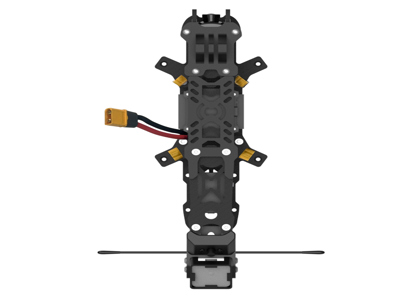
В современном мире, где технологии развиваются с невероятной скоростью, передача данных играет ключевую роль в нашей повседневной жизни. От общения в социальных сетях до управления умными устройствами, мы постоянно полагаемся на быстрые и надежные коммуникации. Однако традиционные методы передачи данных часто сталкиваются с ограничениями, такими как низкая скорость, высокая задержка и уязвимости в безопасности. Именно здесь на сцену выходит инновационный модуль связи – революционное решение, которое обещает изменить правила игры.
Этот модуль не просто улучшает существующие технологии; он создает новую парадигму, где данные передаются с беспрецедентной эффективностью. В этой статье мы глубоко погрузимся в мир инновационного модуля связи, исследуя его принципы работы, преимущества, применения и то, как он может преобразовать будущее цифровой эпохи. Будьте готовы узнать о технологическом прорыве, который сделает вашу жизнь проще, безопаснее и более связанной.
Что такое инновационный модуль связи?
Инновационный модуль связи – это передовое устройство или программно-аппаратный комплекс, предназначенный для оптимизации передачи данных между устройствами. Он объединяет в себе последние достижения в областях, таких как 5G, Wi-Fi 6, IoT (Интернет вещей) и искусственный интеллект, чтобы обеспечить сверхбыструю, надежную и безопасную коммуникацию. В отличие от традиционных модулей, которые часто работают изолированно, этот инновационный подход использует интегрированные алгоритмы и адаптивные протоколы для динамического управления потоками данных.
Основная идея заключается в том, чтобы создать универсальное решение, которое может seamlessly интегрироваться с различными сетями и устройствами. Например, модуль может автоматически переключаться между сотовыми сетями, Wi-Fi и спутниковой связью в зависимости от условий, обеспечивая непрерывное соединение без перерывов. Это особенно важно в эпоху, когда мы ожидаем мгновенного доступа к информации и услугам.
Ключевые компоненты инновационного модуля включают в себя высокопроизводительные процессоры для обработки данных, advanced антенны для улучшения сигнала, и встроенные механизмы безопасности, такие как шифрование end-to-end. Кроме того, модуль часто поддерживает machine learning для прогнозирования сетевых нагрузок и оптимизации производительности в реальном времени.
Разработка такого модуля стала возможной благодаря многолетним исследованиям в области телекоммуникаций и вычислительной техники. Компании по всему миру инвестируют миллиарды долларов в R&D, чтобы создать продукты, которые не только meet текущие потребности, но и anticipate будущие вызовы, такие as рост числа подключенных устройств и increasing demands for bandwidth.
В целом, инновационный модуль связи представляет собой квантовый скачок в том, как мы воспринимаем и используем коммуникационные технологии. Он не просто передает данные; он делает это умно, эффективно и с минимальным воздействием на окружающую среду, что aligns с глобальными trends towards sustainability.
Принципы работы инновационного модуля связи
Чтобы понять, как инновационный модуль связи революционизирует передачу данных, важно разобраться в его основных принципах работы. В основе лежит комбинация hardware и software innovations, которые работают в sync для достижения оптимальной performance.
Во-первых, модуль использует multi-band технологии, позволяющие ему operate across multiple frequency bands simultaneously. Это means, что он can leverage the strengths of different networks, such as 5G for high speed and low latency, and Wi-Fi for cost-effective local connectivity. Advanced signal processing algorithms ensure that data is transmitted with minimal loss and interference, even in crowded environments.
Во-вторых, adaptive routing is a key feature. Модуль continuously monitors network conditions and can dynamically reroute data through the most efficient path. For instance, if one network is congested, it might switch to another available network without the user even noticing. This is achieved through real-time analytics and predictive modeling, which use historical data to forecast potential issues and proactively address them.
В-третьих, security is embedded at every level. From hardware-based encryption to software-defined perimeters, the module ensures that data is protected from eavesdropping, tampering, and other cyber threats. It supports latest security protocols like TLS 1.3 and quantum-resistant cryptography, making it future-proof against emerging risks.
Кроме того, энергоэффективность является критическим аспектом. Модуль designed to consume minimal power, which is crucial for battery-operated devices like smartphones and IoT sensors. It uses techniques such as sleep modes and intelligent power management to extend battery life while maintaining connectivity.
Наконец, scalability allows the module to handle everything from a single device to massive IoT deployments with thousands of nodes. It can be easily integrated into existing infrastructures through standard interfaces like USB, PCIe, or wireless protocols, making it accessible for a wide range of applications.
Эти принципы work together to create a seamless, robust, and intelligent communication experience. By leveraging cutting-edge technologies, the innovative communication module sets a new standard for data transmission that is faster, safer, and more reliable than ever before.
Преимущества инновационного модуля связи
Adopting an innovative communication module brings numerous benefits that can transform how individuals and businesses operate. Let's explore some of the key advantages in detail.
First and foremost, increased speed and bandwidth. With support for technologies like 5G and Wi-Fi 6, the module can achieve data rates of up to several gigabits per second, enabling lightning-fast downloads, uploads, and real-time streaming. This is a game-changer for applications such as virtual reality, autonomous vehicles, and remote surgery, where every millisecond counts.
Second, reduced latency. Latency, or the delay in data transmission, is significantly minimized thanks to optimized protocols and hardware accelerations. For example, in online gaming or financial trading, low latency can mean the difference between success and failure. The module's ability to process data closer to the source (edge computing) further reduces delays.
Third, enhanced reliability. By using multiple networks and adaptive algorithms, the module ensures stable connections even in challenging conditions, such as rural areas or during network outages. This reliability is critical for mission-critical systems like emergency services, industrial automation, and smart grids.
Fourth, improved security. As cyber threats become more sophisticated, the module's built-in security features provide peace of mind. It offers end-to-end encryption, secure boot, and regular firmware updates to protect against vulnerabilities. This is especially important for sensitive data in healthcare, finance, and government sectors.
Fifth, energy efficiency. The module's low power consumption helps extend the battery life of mobile devices and reduce operational costs for large-scale deployments. This aligns with environmental goals and can lead to significant savings over time.
Sixth, scalability and flexibility. Whether you're deploying a small smart home system or a city-wide IoT network, the module can scale to meet your needs. Its modular design allows for easy upgrades and customization, ensuring that it remains relevant as technology evolves.
Lastly, cost-effectiveness. While the initial investment might be higher than traditional modules, the long-term benefits in terms of reduced downtime, lower energy costs, and increased productivity make it a wise economic choice. Many companies report ROI within a year of implementation due to improved efficiency.
In summary, the innovative communication module offers a comprehensive suite of advantages that address the pain points of modern data transmission. It empowers users to do more with less, driving innovation and growth across various industries.
Применения инновационного модуля связи
The versatility of the innovative communication module means it can be applied in a wide range of fields, revolutionizing how we interact with technology. Here are some prominent applications where it is making a significant impact.
In the Internet of Things (IoT), the module is a cornerstone for connecting billions of devices. From smart homes with thermostats and lights to industrial sensors monitoring machinery, it enables seamless data exchange. For instance, in agriculture, IoT sensors equipped with the module can transmit soil moisture data in real-time, allowing farmers to optimize irrigation and increase crop yields.
In healthcare, the module facilitates telemedicine and remote patient monitoring. Wearable devices can send vital signs to doctors instantly, enabling early detection of health issues and reducing hospital visits. During the COVID-19 pandemic, such technologies proved invaluable for maintaining care while minimizing physical contact.
In transportation, it supports connected and autonomous vehicles. Cars can communicate with each other and with infrastructure to avoid accidents, reduce traffic congestion, and improve fuel efficiency. The module's low latency is crucial for real-time decision-making in self-driving cars.
In smart cities, it integrates various systems like traffic lights, surveillance cameras, and public transportation. This leads to more efficient urban management, reduced energy consumption, and enhanced public safety. For example, adaptive traffic signals can change based on real-time traffic flow data transmitted via the module.
In entertainment and media, the module enables high-quality streaming and immersive experiences. Virtual reality (VR) and augmented reality (AR) applications rely on fast, reliable data transmission to create realistic environments. Gamers can enjoy lag-free online multiplayer games, thanks to the module's optimized performance.
In industrial automation, it connects robots and machinery in smart factories. This allows for predictive maintenance, where data from sensors can forecast equipment failures before they happen, reducing downtime and saving costs. The module's robustness ensures continuous operation in harsh industrial environments.
In emergency services, it provides reliable communication during disasters when traditional networks might be down. First responders can use devices with the module to coordinate efforts and access critical information, potentially saving lives.
These applications只是开始. As technology advances, we can expect even more innovative uses, such as in space communications or underwater networks. The module's adaptability makes it a key enabler for future technologies that we haven't even imagined yet.
Будущее инновационного модуля связи
Looking ahead, the innovative communication module is poised to play an even more critical role in shaping the future of data transmission. Several trends and developments suggest that its impact will only grow stronger.
First, the rollout of 6G networks is on the horizon. Expected to debut around 2030, 6G will offer even higher speeds, lower latency, and integrated AI capabilities. The innovative module will evolve to support these advancements, enabling applications like holographic communications and pervasive AI that require unprecedented data handling.
Second, the expansion of IoT will continue at an exponential rate. By 2025, it's estimated that there will be over 75 billion connected devices globally. The module will need to handle this scale efficiently, with improvements in energy harvesting and mesh networking to ensure sustainability and reliability.
Third, quantum computing will bring new challenges and opportunities. While quantum computers could break current encryption methods, the module will incorporate quantum-resistant algorithms to maintain security. Additionally, quantum communication technologies might be integrated for ultra-secure data transmission.
Fourth, edge computing will become more prevalent. By processing data closer to where it's generated, the module can reduce latency and bandwidth usage. This will be essential for real-time applications in autonomous systems and smart cities.
Fifth, environmental considerations will drive innovation. The module will be designed with greener materials and more efficient power usage to reduce carbon footprint. This aligns with global efforts to combat climate change and promote sustainable technology.
Sixth, interoperability will improve. As different manufacturers adopt standards, the module will work seamlessly across various platforms and devices, fostering a more connected ecosystem. This could lead to unified communication protocols that simplify user experiences.
In conclusion, the future of the innovative communication module is bright and full of potential. It will continue to evolve, addressing emerging needs and enabling new possibilities that enhance our daily lives and drive societal progress. By staying at the forefront of technology, it will remain a vital component in the digital transformation journey.
Заключение
Инновационный модуль связи represents a monumental leap forward in how we transmit data. By combining speed, reliability, security, and efficiency, it addresses the limitations of past technologies and opens up a world of new opportunities. From powering the IoT revolution to enabling life-saving healthcare applications, its impact is profound and far-reaching.
As we move into an increasingly connected future, embracing such innovations is not just an option but a necessity. Businesses and individuals alike can benefit from adopting this technology, gaining a competitive edge and improving quality of life. The journey of data transmission has come a long way, and with the innovative communication module, the best is yet to come.
We encourage you to explore how this module can integrate into your projects or daily use. Stay informed about the latest developments and be part of the revolution that is transforming the way we communicate. Thank you for reading, and may your data always flow fast and secure!
