Промышленные дроны перевернули мир технологий
Добавить время:2025-12-29
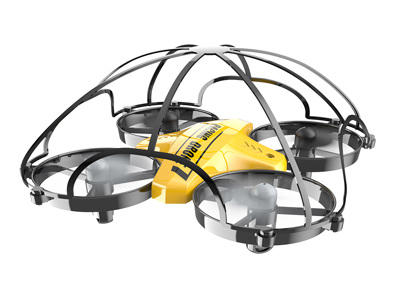
В последние десятилетия промышленные дроны стали неотъемлемой частью современных технологий, кардинально изменив подходы к работе в различных отраслях. От сельского хозяйства до строительства, от логистики до энергетики — эти беспилотные летательные аппараты (БПЛА) демонстрируют невероятную эффективность, точность и инновационность. В этой статье мы глубоко погрузимся в то, как промышленные дроны перевернули мир, обсуждая их историю, текущие применения, преимущества, вызовы и будущее. Мы рассмотрим реальные примеры, статистику и экспертные мнения, чтобы предоставить полную картину этой технологической революции.
Введение в мир промышленных дронов
Промышленные дроны, или БПЛА, изначально разрабатывались для военных целей, но их потенциал быстро распространился на гражданские и коммерческие сферы. В отличие от потребительских дронов, которые используются для развлечения или фотографии, промышленные модели оснащены специализированным оборудованием, таким как камеры высокого разрешения, лидары, тепловизоры и датчики, что позволяет им выполнять сложные задачи автономно или под управлением оператора. Их способность летать в труднодоступных местах, собирать данные в реальном времени и работать с минимальным вмешательством человека делает их незаменимыми инструментами в современной экономике.
Технологический прогресс в области батарей, навигации и искусственного интеллекта (ИИ) ускорил внедрение дронов. Сегодня они не просто дополнительные устройства, а ключевые компоненты цифровой трансформации. Например, в сельском хозяйстве дроны помогают мониторить урожай, применяя точное опрыскивание, что увеличивает yield на 20-30%. В строительстве они используются для инспекции объектов и создания 3D-моделей, сокращая время и затраты на 50%. Эти примеры лишь верхушка айсберга; давайте explore further.
Историческое развитие промышленных дронов
История дронов начинается в начале XX века с первых экспериментов с радиоуправляемыми аппаратами, но настоящий прорыв произошел в 1990-х годах с развитием GPS и миниатюризацией электроники. Военные применения, такие как разведка и наблюдение, стимулировали innovations, которые позже перекочевали в гражданский сектор. В 2000-х годах появление коммерческих дронов, как DJI Phantom, democratized доступ к этой технологии, но промышленные версии оставались нишевыми до 2010-х.
Ключевым моментом стало снижение стоимости компонентов и улучшение программного обеспечения. В 2015 году рынок промышленных дронов начал взрываться, с прогнозами роста на 30% ежегодно. Сегодня, по данным MarketsandMarkets, глобальный рынок промышленных дронов оценивается в более чем $30 миллиардов и ожидает роста до $50 миллиардов к 2025 году. Этот рост driven спросом на автоматизацию и data-driven решения в эпоху Industry 4.0.
Применение в сельском хозяйстве: Революция AgTech
Сельское хозяйство — одна из самых受益ующих отраслей от промышленных дронов. Традиционные методы farming often inefficient и resource-intensive, но дроны предлагают precision agriculture solutions. Они equipped с multispectral камерами, которые анализируют health растений, detecting болезни, недостаток nutrients или water stress до того, как human eye может заметить.
Например, в США фермеры используют дроны для mapping полей и applying pesticides только там, где это необходимо, reducing chemical usage на 90% и increasing crop yields. В России, компании like "АгроДрон" внедряют similar технологии, helping справиться с vast территориями. Статистика показывает, что adoption дронов в agriculture может boost productivity на 25% и reduce costs на 15%, making it sustainable choice для feeding растущего населения.
Строительство и инфраструктура: Enhancing Efficiency and Safety
В строительной индустрии дроны revolutionize инспекцию и мониторинг. Они can fly around skyscrapers, bridges, или pipelines, capturing high-resolution images и videos для assessment структурной integrity. This eliminates need для risky human inspections, reducing accidents и saving time.
A case study: В Dubai, при строительстве Burj Khalifa, дроны использовались для daily progress reports, allowing engineers отслеживать work remotely. This cut inspection times с weeks до hours. Additionally, дроны help в land surveying и creating digital twins зданий, facilitating better planning и maintenance. По данным McKinsey, использование дронов в construction может reduce project delays на 20% и lower costs на 10%, making projects more profitable и timely.
Логистика и доставка: The Future of Shipping
Логистика — another area где дроны shine. Companies like Amazon и DHL экспериментируют с drone delivery для last-mile logistics, especially в remote areas. Дроны can deliver packages faster и cheaper чем traditional methods, with potential to reduce carbon footprint.
In Rwanda, startup Zipline uses дроны для доставки medical supplies к rural clinics, saving countless lives. This demonstrates how technology can bridge gaps в healthcare. Хотя regulatory hurdles still exist, progress is being made; например, FAA в США approved commercial drone deliveries в 2020 году. Experts predict that by 2030, drone delivery will be commonplace, transforming how we receive goods.
Энергетика и utilities: Monitoring and Maintenance
В energy sector, дроны invaluable для инспекции power lines, wind turbines, и solar farms. They can detect faults early, preventing outages и reducing maintenance costs. Thermal imaging cameras на дронах identify overheating components, allowing proactive repairs.
For instance, in Europe, utility companies use дроны для inspecting thousands километров power lines annually, a task that would take months manually. This not only improves reliability но и enhances worker safety. С adoption AI, дроны can now autonomously analyze data и generate reports, further streamlining operations. The ROI здесь substantial; компании report up to 40% reduction в maintenance expenses после внедрения drone technology.
Горнодобывающая промышленность: Enhancing Exploration and Safety
Mining industry benefits от дронов через improved exploration и safety monitoring. Дроны equipped with LiDAR и other sensors can map mines in 3D, identifying mineral deposits и monitoring stability tunnels. This reduces need для dangerous human entry into unstable areas.
In Australia, mining companies use дроны для regular inspections, leading to 30% decrease в accidents. Они also help в environmental monitoring, ensuring compliance с regulations. The data collected enables better resource management и sustainable practices. As technology advances, autonomous drones could take over more tasks, making mining safer и more efficient.
Преимущества промышленных дронов: Why They Are Game-Changers
Промышленные дроны offer numerous advantages: cost savings, increased efficiency, enhanced safety, and data accuracy. By automating repetitive tasks, они free up human workers для more creative roles. Their ability to access hazardous environments reduces risks, while real-time data collection enables informed decision-making.
For example, in disaster response, дроны can survey damage quickly, aiding rescue operations. In media, они provide aerial footage for films and news. The versatility is staggering; almost any industry can find a use for them. Moreover, as AI and machine learning integrate, drones become smarter, predicting issues before they occur.
Вызовы и ограничения: Overcoming Hurdles
Despite the benefits, industrial drones face challenges: regulatory issues, privacy concerns, technical limitations like battery life, and high initial costs. Governments worldwide are crafting laws to ensure safe integration into airspace, but progress is slow. Privacy advocates worry about surveillance, requiring strict guidelines.
Technically, battery technology limits flight time to typically 30-60 minutes, though advancements are underway. Costs can be prohibitive for small businesses, but as adoption increases, prices are dropping. Education and training are also needed to operate drones effectively. Addressing these challenges is crucial for widespread adoption.
Будущее промышленных дронов: Trends and Predictions
The future of industrial drones is bright, with trends pointing towards autonomy, AI integration, and swarm technology. Swarms of drones could work together on large projects, such as agriculture or construction, coordinated by AI. 5G connectivity will enable real-time data transmission and better control.
In the coming decades, we might see drones as standard tools in every industry, perhaps even in urban air mobility for passenger transport. Innovations in energy, like hydrogen fuel cells, could extend flight times. The potential is limitless; as one expert said, "Drones are not just tools; they are partners in progress."
Заключение: Embracing the Drone Revolution
В заключение, промышленные дроны indeed перевернули мир технологий, offering unprecedented opportunities across sectors. Их ability to enhance efficiency, safety, and sustainability makes them indispensable in the modern era. As we continue to innovate and address challenges, the impact of drones will only grow, shaping a smarter, more connected future. Embrace this revolution—it's here to stay.
This article has only scratched the surface; the full potential of industrial drones is yet to be unleashed. Stay tuned for more insights and developments in this exciting field.
