Складной дрон ваш незаменимый спутник в путешествиях
Добавить время:2025-12-31
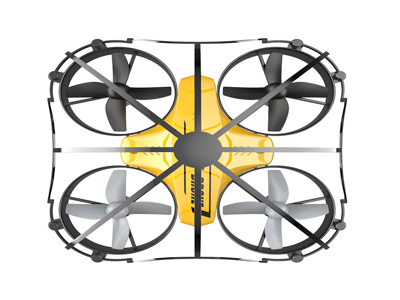
В современном мире путешествия стали неотъемлемой частью жизни миллионов людей. От кратких выходных до продолжительных экспедиций, каждый ищет способы запечатлеть незабываемые моменты. И здесь на помощь приходят технологии, особенно инновационные устройства, такие как складные дроны. Эти компактные летательные аппараты революционизируют то, как мы документируем и переживаем приключения, становясь настоящими спутниками в любом путешествии. В этой статье мы глубоко исследуем, почему складные дроны заслуживают места в вашем рюкзаке, обсуждая их эволюцию, преимущества, практическое применение, и будущее в контексте туризма и не только.
Введение: Эпоха цифровых путешествий
Путешествия всегда были способом расширить горизонты, но с adventом цифровых технологий они приобрели новое измерение. Сегодня мы не просто посещаем места; мы делимся ими с миром через социальные медиа, блоги и личные архивы. Фотографии и видео стали ключевыми элементами этого опыта, и традиционные камеры часто ограничены углами обзора и мобильностью. Вот где дроны вступают в игру, предлагая уникальную перспективу с высоты птичьего полета. Однако ранние дроны были громоздкими, сложными в транспортировке и требовали значительных навыков. Появление складных дронов изменило всё: они сочетают мощь аэросъемки с портативностью, делая их идеальными для путешественников. В этой статье мы рассмотрим, как эти устройства трансформируют опыт путешествий, их технические аспекты, преимущества перед другими гаджетами, и советы по выбору и использованию. Мы также затронем этические и юридические considerations, поскольку популярность дронов растет. К концу вы поймете, почему складной дрон – это не просто игрушка, а незаменимый инструмент для современного авантюриста.
История и эволюция дронов: От военных к потребительским
Дроны, или беспилотные летательные аппараты (БПЛА), изначально разрабатывались для военных целей, таких как разведка и наблюдение. Их история восходит к началу 20 века, но настоящий boom произошел в 21 веке с advances в микроэлектронике и батареях. Первые потребительские дроны, like those from DJI, появились around 2010 и были относительно большими и дорогими. Они предлагали впечатляющие возможности съемки, но их размер делал их непрактичными для путешествий. Потребность в portability привела к innovation: инженеры начали разрабатывать складные конструкции, которые уменьшали footprint устройства без ущерба для performance. К 2015 году на market вышли первые складные дроны, such as the DJI Mavic series, which set a new standard. These devices could fold into a compact form, easily fitting into a backpack. Over the years, improvements in battery life, camera quality, and stability have made them more accessible and reliable. Today, foldable drones are a mainstream product, with models ranging from budget-friendly options to high-end professional gear. This evolution mirrors broader trends in technology: miniaturization, connectivity, and user-friendliness. For travelers, this means that capturing stunning aerial footage is no longer reserved for experts with bulky equipment; anyone can do it with a device that weighs less than a kilogram and folds to the size of a water bottle. The journey from military hardware to travel companion is a testament to human ingenuity and the desire to enhance everyday experiences through technology.
Технологические инновации в складных дронах
Складные дроны packed with advanced technologies that make them powerful yet portable. Key innovations include foldable arms and propellers, which allow the drone to collapse into a small package. This design often incorporates hinges and locks to ensure stability during flight. The materials used are lightweight yet durable, such as carbon fiber and high-grade plastics, to withstand travel rigors. Battery technology has also seen significant advances; modern drones use lithium-polymer batteries that offer flight times of 20-30 minutes on a single charge, with quick-charging capabilities. Cameras are another critical area: many foldable drones feature 4K or even 8K resolution cameras with gimbals for stabilization, ensuring smooth and clear footage even in windy conditions. GPS and GLONASS integration provide precise positioning and return-to-home functions, enhancing safety. Obstacle avoidance sensors, using technologies like infrared and vision systems, help prevent crashes, making drones easier to fly for beginners. Additionally, smartphone apps allow for intuitive control, live video streaming, and automated flight modes such as follow-me, orbit, and waypoint navigation. These technological leaps have democratized aerial photography, enabling travelers to capture professional-quality content without extensive training. The synergy of hardware and software in these devices exemplifies how innovation drives practicality in modern gadgets.
Преимущества складных дронов для путешественников
Для путешественников складные дроны offer numerous advantages that make them indispensable. First and foremost is portability: their compact size means they can be easily carried in a backpack or even a large pocket, unlike traditional drones that require dedicated cases. This makes them perfect for hiking, biking, or any activity where space is limited. Weight is another factor; most foldable drones weigh under 1 kg, complying with airline carry-on regulations and reducing travel burden. The ability to capture unique perspectives is a game-changer; from aerial views of landscapes to dynamic shots of activities, drones provide angles that ground-based cameras cannot. This enhances storytelling in travel blogs, vlogs, and social media posts, making content more engaging. Battery life, while not endless, is sufficient for short sessions, and spare batteries are small enough to bring along. Many models are user-friendly with automated features, reducing the learning curve for newcomers. Cost-wise, while high-end models can be expensive, there are affordable options that still deliver great performance. Additionally, drones can serve practical purposes beyond photography, such as scouting routes or monitoring weather conditions. However, it's important to note potential drawbacks, like noise and legal restrictions, but the benefits often outweigh these concerns. Overall, a foldable drone empowers travelers to document their journeys in innovative ways, adding a layer of creativity and immersion to their adventures.
Практическое применение в различных типах путешествий
Складные дроны versatile and can enhance various types of travel. For adventure travel, such as hiking or mountain climbing, drones can capture breathtaking vistas and action shots from above, providing a sense of scale and grandeur. In urban tourism, they offer unique views of city skylines, architecture, and crowded events without the limitations of ground-level photography. Beach and coastal trips benefit from aerial footage of shorelines, waves, and water activities, creating stunning visual memories. Road trips become more dynamic with drones following the vehicle or capturing scenic routes from the air. Even cultural travel, like visiting historical sites, can be enriched with aerial perspectives that show the layout and context of landmarks, though care must be taken to respect local regulations and privacy. For solo travelers, drones act as a personal photographer, allowing them to be in the shot without relying on others. Group travels can use drones for group photos and videos that include everyone in the frame. Additionally, in remote or wilderness areas, drones can be used for safety purposes, such as surveying terrain or checking for hazards. The key is to plan ahead: research drone laws in the destination, practice flying skills, and bring necessary accessories like extra batteries and memory cards. By integrating a drone into travel plans, explorers can elevate their experiences from ordinary to extraordinary.
Сравнение с другими гаджетами для путешествий
When compared to other travel gadgets, складные дроны stand out for their unique capabilities. Traditional cameras, like DSLRs or smartphones, are excellent for ground-level photos but lack the aerial perspective. Action cameras, such as GoPros, are durable and compact but still limited to point-of-view shots unless mounted on drones themselves. Drones complement these devices by filling the aerial gap. In terms of portability, foldable drones are more travel-friendly than full-sized drones but may be bulkier than a small camera; however, the value they add in content creation often justifies the space. Battery life is a common concern; drones typically have shorter operational times than cameras but offer unmatched functionality during that time. Cost is another factor: a good foldable drone can cost anywhere from $500 to $2000, which is comparable to high-end cameras but provides a different set of features. Connectivity is strong with drones, as many support live streaming and app integration, similar to smart gadgets. However, drones require more maintenance and awareness of regulations. Ultimately, the choice depends on the traveler's needs: if aerial footage is a priority, a drone is unbeatable. For those on a budget or who prefer simplicity, sticking to cameras might suffice, but the trend is towards multi-functional devices, and drones are becoming a staple in the travel tech arsenal.
Юридические и этические аспекты использования дронов
Использование дронов в путешествиях comes with legal and ethical considerations that cannot be ignored. Laws vary by country and even by region; for example, in many places, drones must be registered, and flying near airports, military bases, or crowded areas is prohibited. Privacy is a major concern: flying a drone can invade others' privacy if not done responsibly, so it's essential to avoid capturing footage of people without consent. Environmental impact should also be considered; drones can disturb wildlife or natural settings if used carelessly. Ethical flying involves respecting local cultures and norms, such as not flying over religious sites or private property. Many destinations have specific rules, like national parks often banning drones to protect tranquility and safety. Travelers should research regulations beforehand using resources like government websites or drone apps that provide geo-fencing information. Insurance is advisable to cover potential damages or liabilities. Despite these challenges, responsible drone use can be achieved through education and adherence to guidelines. Organizations like the FAA in the US or EASA in Europe offer resources for safe operation. By being mindful of these aspects, travelers can enjoy their drones without causing harm or facing legal issues, ensuring that this technology enhances rather than detracts from the travel experience.
Будущее складных дронов: Тенденции и прогнозы
Будущее складных дронов looks promising with ongoing innovations. Trends include further miniaturization, with drones becoming even smaller and lighter without sacrificing performance. Battery technology will improve, offering longer flight times and faster charging, possibly with swappable or renewable energy sources. AI integration will enhance autonomy, enabling drones to avoid obstacles more intelligently and follow subjects with greater precision. Camera capabilities will continue to advance, with higher resolutions, better low-light performance, and computational photography features. Connectivity will improve with 5G, allowing for real-time streaming and cloud-based processing. We may see more hybrid designs, such as drones that can transform into other devices or integrate with augmented reality for immersive experiences. In terms of applications, drones could play a larger role in travel beyond photography, like delivering supplies in remote areas or assisting in search and rescue operations. Regulations will likely evolve to accommodate these changes, with more standardized global rules. However, challenges such as noise pollution and airspace management will need addressing. For travelers, this means that drones will become even more integral to adventures, offering new ways to explore and document the world. The key will be balancing innovation with responsibility, ensuring that these devices continue to serve as valuable companions without negative impacts.
Заключение: Непревзойденный спутник для современных путешествий
В заключение, складные дроны truly are незаменимые спутники в путешествиях. Они combine portability, advanced technology, and creative potential to transform how we experience and share our journeys. From their evolution from military tools to consumer gadgets to their practical benefits and future prospects, drones have cemented their place in the travel ecosystem. While challenges like legal restrictions and ethical considerations exist, responsible use can mitigate these issues. For anyone passionate about exploration and storytelling, investing in a foldable drone is a step towards unlocking new perspectives and making memories that last a lifetime. As technology continues to advance, we can expect these devices to become even more accessible and powerful, further enriching the art of travel. So pack your bags, don't forget your drone, and embark on your next adventure with the sky as your canvas.
Эта статья предоставила comprehensive overview складных дронов, но remember, the best way to appreciate them is to try one yourself. Happy travels and happy flying!
